
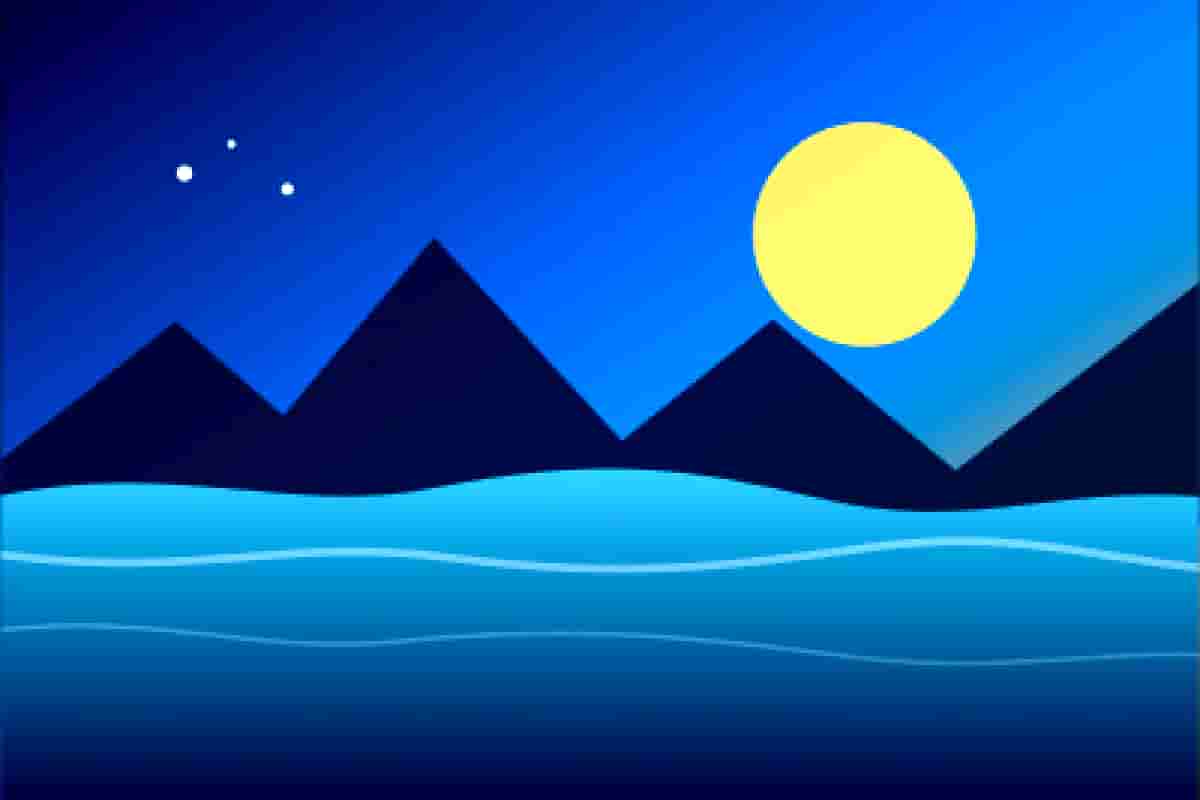
Moderate color and contrast keep the source recognizable.
Strong saturation, contrast, pixels, and low quality.
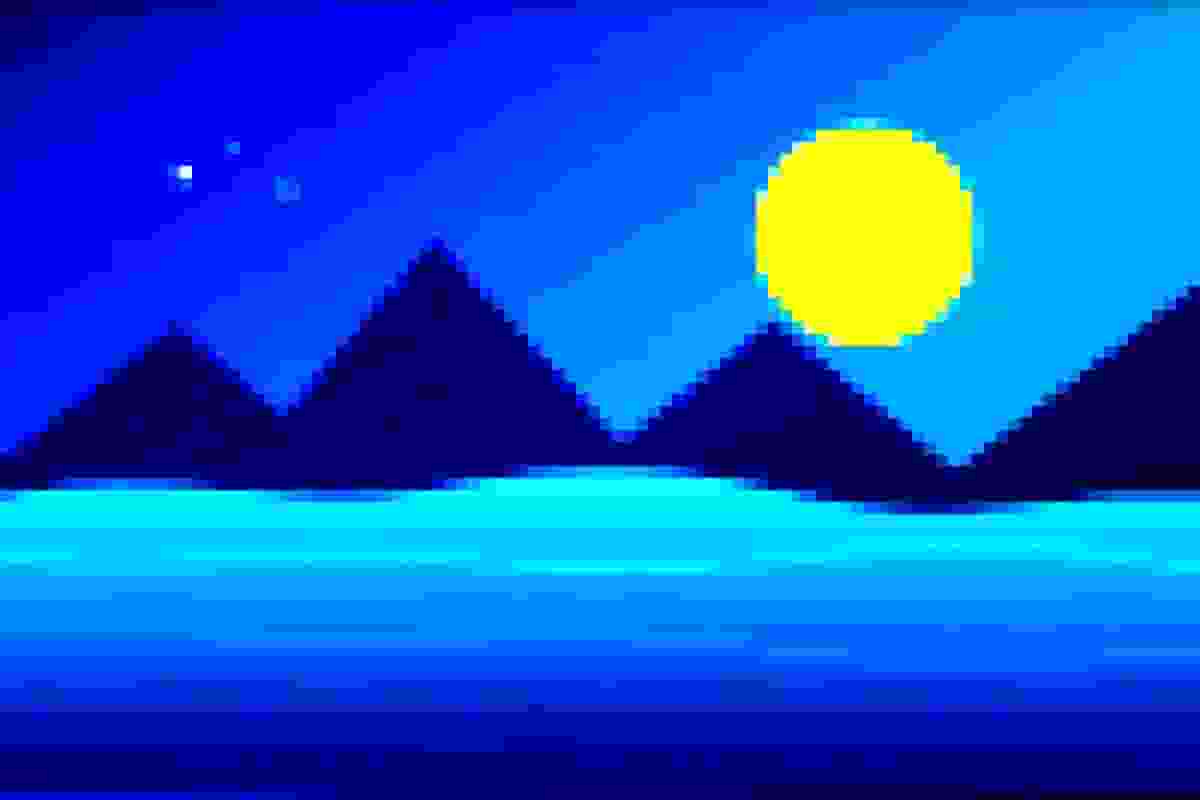
Large blocks and clipped colors push the effect toward abstraction.
What makes a meme look deep fried?
The look comes from several failures stacked together: harsh contrast, extreme saturation, sharpening or halos, reduced resolution, and low-quality JPG blocks.
No single filter creates every version. The best result depends on whether the source is a photograph, screenshot, reaction image, or text-heavy meme.
Build the effect in the right order
Begin with contrast and saturation so the main shapes remain readable. Add a small amount of pixelation next. Lower JPG quality last, because compression makes every earlier edge and color transition rougher.
- Contrast around 140–190 percent is a useful starting range.
- Saturation around 170–250 percent creates exaggerated color.
- Small pixel blocks keep text readable; large blocks create abstraction.
- JPG quality between 8 and 25 percent creates obvious artifacts.
Keep the joke readable
Deep frying is strongest when it amplifies the joke instead of hiding it. Check faces and captions before download. If the text disappears, reduce pixel size or raise quality slightly.
For chaotic results, start from the readable version and save several variations rather than destroying the only source.
Export for the destination
JPG produces the classic look and broad compatibility. WebP can preserve a similar appearance at a smaller size, although its artifacts often feel cleaner.
Most social platforms recompress uploads again. Leave a little more clarity than you ultimately want so the platform compression becomes the final layer.
Recipes for photos, captions, and reaction images
To make deep fried memes from captioned images, keep the pixel block small enough for letters to survive. Start near 150% contrast and 180% saturation, then lower JPG quality. Add the caption before frying when the text should collect the same blocks and color damage as the background.
To make deep fried memes from reaction photos, protect eyes, mouths, and the expression that carries the joke. Saturation can move higher than contrast because clipped shadows may erase facial structure. Compare the fried result with the original after every strong adjustment.
To make deep fried memes from screenshots, use a lighter recipe. Thin interface text and icons break sooner than photo detail. A small pixel block and moderate color boost often communicate the reposted aesthetic without turning the screenshot into unreadable abstraction.
What a browser meme fryer can and cannot do
The live tool can make deep fried memes with contrast, saturation, pixel blocks, resolution, and lossy quality. Those controls reproduce the central visual language: exaggerated color, clipped tone, visible squares, and encoding artifacts.
It does not add captions, noise, sharpening, lens flares, hue rotation, bulge distortion, video frames, or repeated Fry Again passes. Add text in a separate editor before using the tool, and do not describe a feature as part of the recipe unless the current interface actually renders it.
Always keep the source. When you make deep fried memes at nuclear settings, clipped channels, large blocks, and low-quality encoding permanently discard information. Reset during editing or create several separate exports instead of processing the only copy repeatedly.
Common questions
Why are they called deep fried memes?
The exaggerated, overprocessed appearance resembles something visually cooked past the normal point.
What format should I download?
Choose JPG for classic artifacts or WebP when smaller size is more important.
Can I deep fry a meme on mobile?
Yes. The browser generator supports touch sliders and a mobile preview layout.
How do I make deep fried memes without hiding the caption?
Use smaller pixel blocks, reduce contrast before saturation, and raise output quality slightly. Compare the text at the size where the meme will actually be viewed.
Should I add text before or after frying?
Add text before frying when the caption should share the same pixel and compression damage. Add it afterward when clean, readable type is more important than a unified effect.
What is the difference between deep fried and nuked memes?
Deep fried usually remains recognizable despite strong artifacts. Nuked is an informal name for a more extreme result with clipped colors, larger blocks, and barely readable detail.
Does the generator add noise or lens flares?
No. The current tool focuses on contrast, saturation, pixel blocks, resolution, and lossy quality. It does not claim noise, sharpening, flares, captions, or distortion controls.
Can a fried image be restored to the original?
No. Strong clipping, downsampling, and lossy encoding remove information. Keep the original and create each variation from that source rather than from a previously fried download.